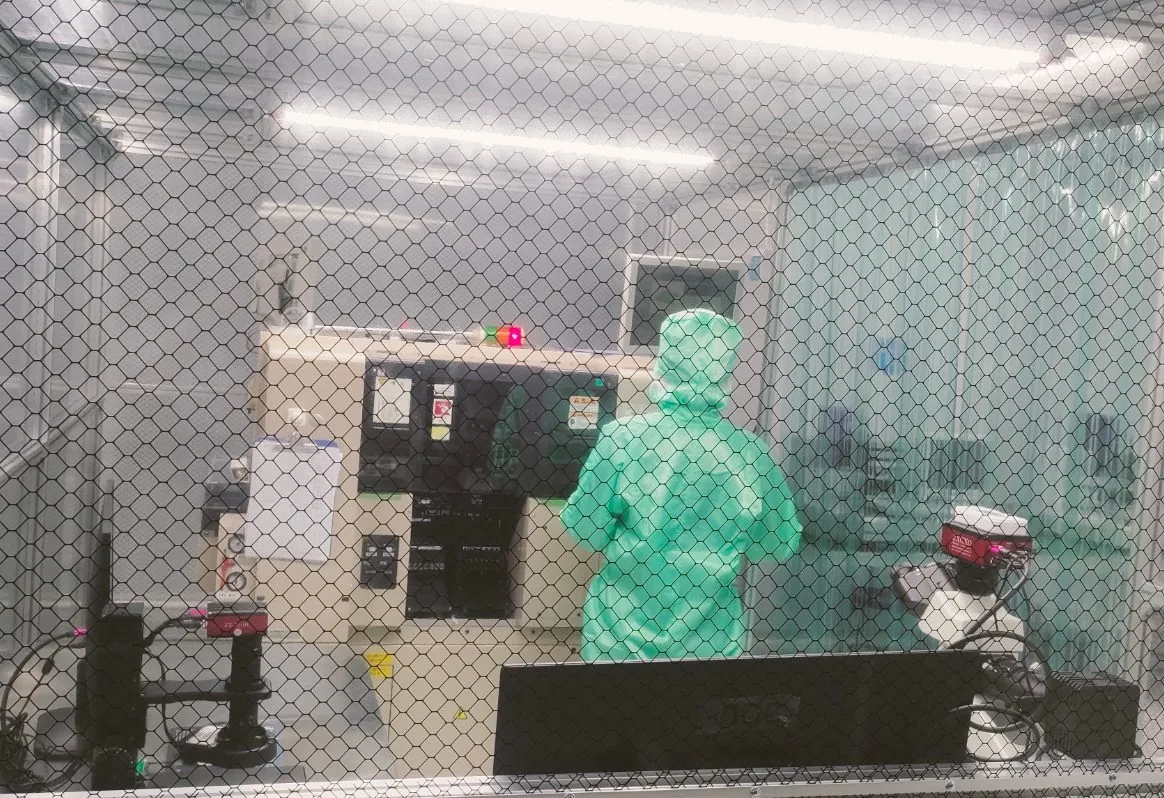

A sound-looking cap does not prove the package meets its sealing requirement. In a MEMS TO Packaging build, SUNWIN treats preparation, die attach, wire bonding, closure, conditioning, leak testing, and records as one route. Acceptance comes from the customer's approved specification or a named standard and revision.
For MEMS TO Packaging, SUNWIN lists Kovar TO-38, TO-46, TO-56, and TO-60 work for MEMS optical switches, variable optical attenuators, lasers, photodetectors, and sensor dies. The page also shows cleanroom assembly, closure, helium testing, and MES records. A project release decides what applies.
How to test and verify hermetic MEMS TO packaging and leak testing
Put the header, cap, and released drawing on one bench. Any mismatch stops the work there. If they agree, inspect the surfaces and confirm the material, die space, wire clearance, seal setup, and first article. Only then close the package, condition it, run the approved test, and review the lot record.
| Verification stage | What to check | Record needed for release |
|---|---|---|
| Before sealing | Header, cap, die, surface condition and drawing revision | Material lots and traveler revision |
| Die attach and bonding | Placement, epoxy condition, bond quality and cap clearance | Process parameters and inspection result |
| Cap sealing | Approved setup and first-article seal condition | Equipment, recipe and operator trace |
| Leak test | Specified conditioning, timing, detector status and measured result | Raw result, limit, units and disposition |
| Final release | All exceptions closed against the same product revision | MES genealogy and approval status |
Hermetic MEMS TO packaging and leak testing quality inspection checklist
Carry the checklist with the lot. Before closure, it records the drawing, materials, surfaces, die attach, wire clearance, and seal setup. Afterward, it captures conditioning, detector status, the reading and approved limit. Finish with the operator, equipment, time, exceptions, and MES genealogy; blanks are unresolved work, not clerical details.
Reusing another product's form can hide the very difference that causes a failure. Two packages may run on one machine yet have different handling and acceptance rules. SUNWIN's quality controls connect incoming checks with bond pull or shear data, helium-test results, reliability work, and the MES history.
What equipment is used to validate hermetic MEMS TO packaging and leak testing?
A helium mass-spectrometer detector answers the leak question at the end of the route. Before it, the line needs cleaning and dispensing controls, die and wire bonders, microscopy, pull or shear checks, a cap sealer, and a conditioning fixture. The equipment history and detector result must meet on the same lot record.
SUNWIN shows these supporting tools on its manufacturing equipment page: die bonders, eutectic attachment, automatic gold wire bonding, cap sealers, microscopes, and a helium leak detector. Which of them belongs in the job is decided by the released route.
Hermetic MEMS TO packaging and leak testing pass/fail criteria and test records
Imagine that the screen shows a number. Does it pass? Open the governing document and check its revision before answering. Beside the reading, keep the units, method, package assumptions, conditioning, timing, instrument status, retest rule, disposition, and approver. Another reviewer should reach the same decision from that record.
Do not carry yesterday's limit into a new package. Construction, volume, reliability class, or method may have changed. When a standard controls the work, put its version and method in the RFQ. SUNWIN's TO packaging process likewise puts acceptance under the project specification.
Common defects and root causes in hermetic MEMS TO packaging and leak testing
A failed reading is a clue, not proof that the seam started the problem. Follow the package backward. Look at handling, wire interference, epoxy, seam continuity, closure stability, cap fit, particles, and the seal surfaces. If the hardware looks right, inspect the conditioning, timing, calibration, and method choice.
Sequence matters. A clean die-attach inspection does not rule out later damage, while a surprising reading may come from conditioning or record setup. SUNWIN's precision die attach and bonding controls provide useful upstream evidence.
How to audit a contract manufacturer for hermetic MEMS TO packaging and leak testing
Choose a completed lot at random and follow it from receipt to release. Its drawing and test specification should connect to the materials, cleaning, die attach, wire bonding, cap sealing, first article, detector status, conditioning data, raw readings, exceptions, and shipment decision. Names and approvals should be visible at every controlled step.
Now introduce a problem. What would the team do with a wrong recipe, detector alarm, failed unit, process change, or misplaced customer part? The answer exposes the real strength of Sensor and Detector Packaging Contract Manufacturing. A coherent exception trail is better evidence than polished equipment photographs.
Hermetic MEMS TO packaging and leak testing with Hermetic Packaging and Leak Testing: manufacturing considerations
Do not wait for a sealed lot to write the test plan. Closure and test assumptions affect each other. Release the drawing, supplied-material boundary, environment, closure route, inspection points, test method and revision, acceptance source, lot rule, retest policy, record package, forecast, and change authority as one workable set.
SUNWIN's published route runs from MES labels and material control into plasma cleaning, die inspection, dispensing, placement, curing, gold wire bonding, closure, conditioning, and helium detection. A job may omit steps that do not apply. It cannot mix revisions among the steps it keeps.
Hermetic Packaging and Leak Testing and Sensor and Detector Packaging Contract Manufacturing requirements for hermetic MEMS TO packaging and leak testing
Split the RFQ into two conversations. One is about supplier capability; the other defines acceptance for this device. Between them, capture the TO format, drawings, supplied parts, attach and bond needs, environment, closure route, conditioning and test method, threshold source, standard revision, data, sampling, exception path, genealogy, returns, and validation ownership.
SUNWIN can review the proposed TO package and its attach, bond, closure, and helium-test route. That review helps turn MEMS optical-device, laser, photodetector, or sensor requirements into manufacturing scope. The OEM still owns the product specification and suitability decision; the quotation does not promise reliability or compliance beyond it.
FAQs
Q: Does a helium leak test by itself prove a MEMS TO package is reliable?
A: Treat the result as narrow evidence. It says the package met the cited criterion during the named method and conditions. It does not predict every later environment. Product reliability still depends on the design, materials, attach, bonding, closure, handling, and the OEM's validation.
Q: Which leak-rate limit should SUNWIN use for a hermetic MEMS TO package?
A: Use the limit in the customer's approved specification. If that document invokes a standard, follow its named method and exact revision. Do not copy a value from another package. Agree on units, package assumptions, conditioning, timing, retest, and acceptance authority before testing the first lot.
Q: What should an OEM send for a MEMS TO Packaging quotation?
A: Send the drawings and BOM first, followed by the die and cap details, assembly and closure requirements, test method, acceptance source, records, quantity, forecast, and customer-material rules. Mark open points instead of guessing. SUNWIN can then complete a technical review and quotation before parts move.