This review reflects SUNWIN’s published pages as checked on October 16, 2026.
A buyer sees “wireless module” on a BOM and may think the choice is interchangeable. That reading is unsafe. The signal route settles the choice: network, nearby device, or satellite. The quote should follow that actual job.
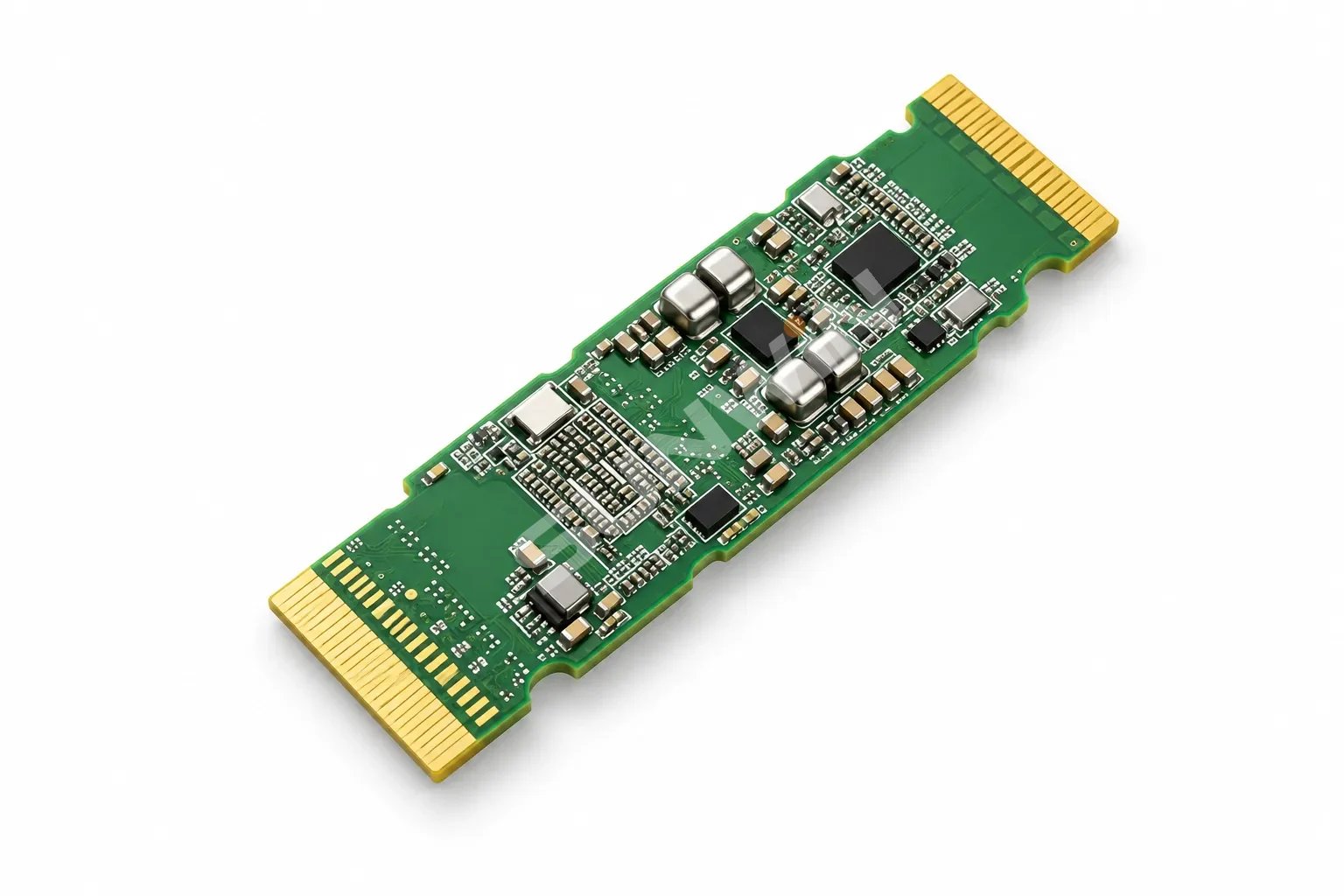
For wireless module PCBA manufacturing, SUNWIN lists shielding, programming, and RF testing. Those capabilities make a Wi-Fi vs Bluetooth vs GPS Module PCBA review possible. The released files still decide which antenna path, firmware image, and acceptance record apply.
Wi-Fi vs Bluetooth vs GPS Module PCBA: what is the difference?
If data leaves through a network, the design needs Wi-Fi Module PCBA. A nearby host or peripheral points to Bluetooth Module PCBA, while satellite position or time calls for GPS Module PCBA. When these share a board, release the antenna path, firmware, coexistence case, and test owner for each.
| Module PCBA | Product job | Production concern | Release evidence |
|---|---|---|---|
| Wi-Fi | Network access | RF path, shield, programming and radio test | Bands, protocol, antenna file, firmware and limits |
| Bluetooth | Nearby device link | Fine-pitch build, shield, programming, pairing and RF test | Version, profiles, power states, antenna and interface |
| GPS/GNSS | Position or time | RF input, shield, programming and simulated signal | Constellations, bands, antenna condition and tracking criteria |
The table separates functions; it does not promise product range. SUNWIN’s Wi-Fi Module PCBA page describes high-density SMT, shield-can soldering, programming, and RF testing. In a Wi-Fi vs Bluetooth vs GPS Module PCBA project, the OEM’s released limit remains the pass condition.
When should an OEM choose each option in Wi-Fi vs Bluetooth vs GPS Module PCBA?
Turn the requirement into three questions. Must data cross a network? That points to Wi-Fi. Must the product talk to a nearby phone or controller? That points to Bluetooth. Does it need satellite location or time? Multiple yes answers call for one shared review of layout, power, firmware, coexistence, and approvals.
A sensor that reports to a phone may stop at Bluetooth, while a tracker sending its position through a gateway can need all three functions. Let that use case lead the BOM. SUNWIN’s Bluetooth Module PCBA page covers fine-pitch SMT, shielding, programming, and RF testing. The customer release remains the authority for protocol behavior.
Wi-Fi vs Bluetooth vs GPS Module PCBA: process, quality and cost trade-offs
Paste printing, placement, reflow, and inspection may match across the three travelers. Their routes separate at package access, shield sequence, firmware control, fixtures, and RF test time. GNSS adds a simulator scenario. Without that written scenario, a simple power check says little about positioning performance.
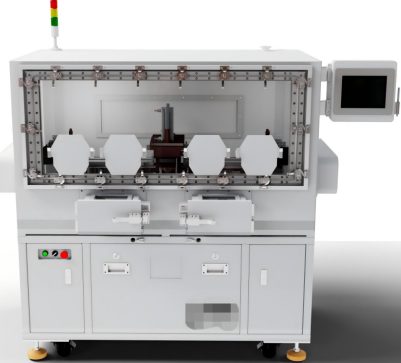
SUNWIN’s GPS Module PCBA page publishes 0.35 mm-pitch BGA/LGA assembly, SiP work, X-ray, shielded-box testing, RF instruments, and a GSS6300 GPS/BeiDou simulator. That opens the Wi-Fi vs Bluetooth vs GPS Module PCBA discussion; the RFQ still has to name bands, fixture access, software, signal conditions, and limits.
Wi-Fi vs Bluetooth vs GPS Module PCBA: reliability and thermal-management differences
Put otherwise identical boards into an open enclosure and a sealed one; their thermal evidence will diverge even though the radio has not changed. Ratings, copper and ground layout, shield contact, antenna clearance, moisture exposure, oscillator behavior, and duty cycle explain the result.
The power trace tells more than the radio name: compare a long upload with a mostly sleeping link or weak-signal reception. Put that trace beside the thermal review. Where Crystal Oscillator Packaging matters, record package, tolerance, handling, and inspection in the BOM and drawing. Production should not guess the timing requirement.
Supplier qualification checklist for Wi-Fi vs Bluetooth vs GPS Module PCBA
Can the carton serial number lead back to its RF result, fixture ID, firmware, shield record, X-ray image, reflow recipe, paste record, feeder setup, BOM, PCB lot, and module lot? It should. On a GNSS board, the same search must recover the simulator file used for acceptance.
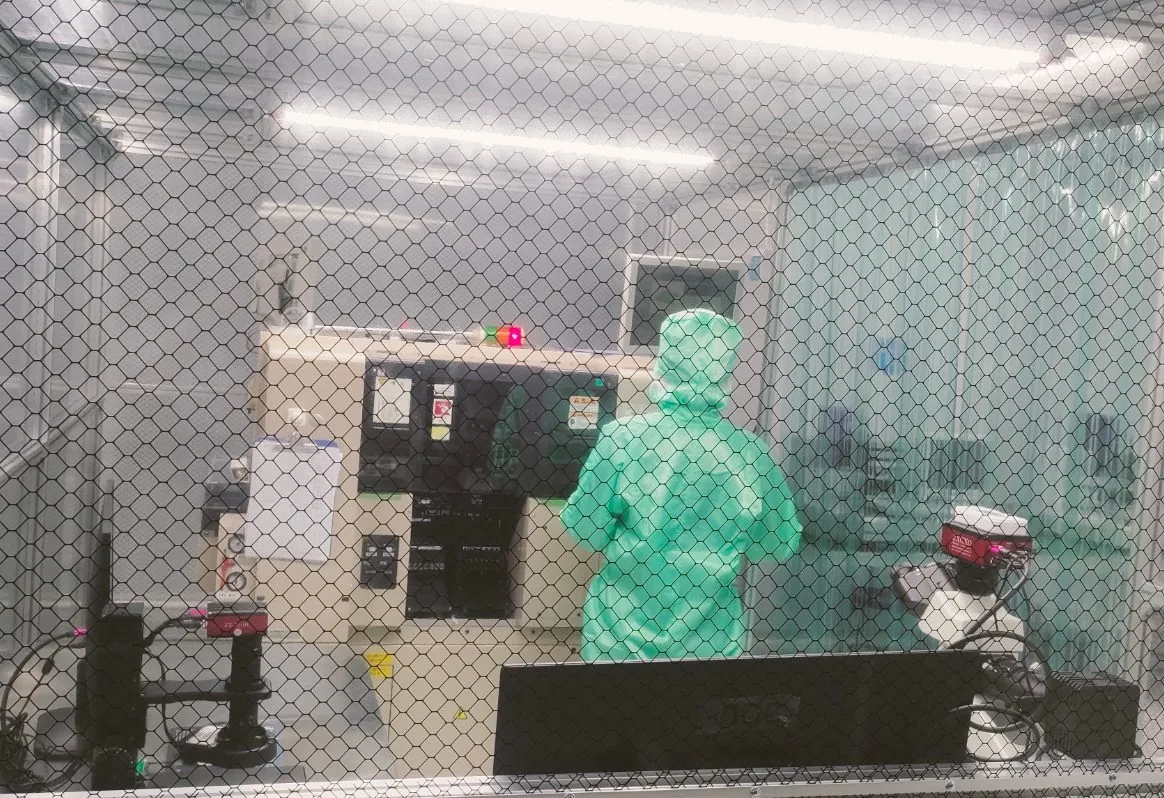
Can the supplier show what happens after a wrong recipe, failed RF check, or firmware mismatch: quarantine, retest authority, exception records, and change approval? SUNWIN’s quality and MES controls connect material traceability with SPI, 3D AOI, X-ray, ICT, functional testing, and RF testing. A real lot is better evidence than an equipment photograph.
What should an RFQ specify for Wi-Fi vs Bluetooth vs GPS Module PCBA?
Could a new engineer price the work from the file set alone? The package needs the radio functions, module and substitutes, PCB and antenna files, BOM owner, shield, firmware, programming method, interfaces, and power states. Include test limits, fixture ownership, compliance roles, volume, records, and change authority too.
“Full turnkey” can mean different work in two quotations. One supplier may buy the material and load firmware; another may quote assembly only. A short scope table makes the split visible. Assign Full Turnkey Manufacturing and the remaining design, licence, approval, and compliance duties there. Only then compare fixture cost and test time.
Wi-Fi vs Bluetooth vs GPS Module PCBA with Bluetooth Module PCBA: manufacturing considerations
A part number says which Bluetooth module arrives. The remaining release comes from the layout and test sheet: antenna clearance, shield, host interface, firmware image, secure programming, pairing check, current-test state, and RF limit. With Wi-Fi or GNSS on the same board, run a case in which both radios are active; a quiet neighbour may hide the fault.
Lay the shield drawing over the placement file. A nearby BGA, LGA, or SiP part can restrict paste access, X-ray viewing, and rework. Shield sequence then belongs in the route. One bid may include the RF fixture and secure firmware handling while another leaves both open.
Bluetooth Module PCBA and GPS Module PCBA requirements for Wi-Fi vs Bluetooth vs GPS Module PCBA
Plan three runs for the shared board. The Bluetooth run records its profile and host pairing check. The GPS/GNSS run names GPS Module PCBA constellations, bands, antenna condition, simulator scene, limits, and records. A coexistence run then settles shared power states, fixture access, firmware ownership, and failure decisions.
SUNWIN can compare the files with its assembly, shielding, programming, X-ray, and RF-test scope. In Wi-Fi vs Bluetooth vs GPS Module PCBA sourcing, architecture, released limits, regulatory route, and suitability stay with the OEM. Product certification and performance validation sit outside that manufacturing review.
FAQs
Q: Can one product use Wi-Fi, Bluetooth, and GPS/GNSS together?
A: Yes, but a combined layout is only the start. Each overlapping state needs a short test record naming the active radios, antenna paths, interfaces, power condition, firmware, and closing measurement. Passing that PCBA test still does not replace verification or approval of the finished product.
Q: Does SUNWIN provide RF and GPS/GNSS test equipment for module PCBA projects?
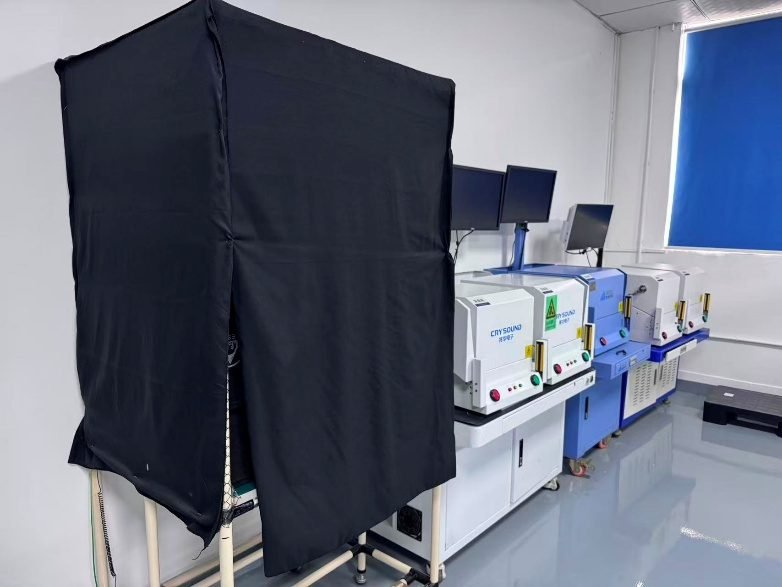
A: SUNWIN’s published equipment includes a shielded box, RF signal generation, vector network analysis, radio communication testers, and a GSS6300 GPS/BeiDou simulator. A model name is only the beginning. The project review must connect it with the fixture, bands, signal scene, software, result format, and limits in the release.
Q: What should an OEM send SUNWIN for a wireless module PCBA quotation?
A: Start with the one pair that must agree: current PCB data and its BOM. Then attach module and antenna specifications, firmware instructions, the shield drawing, approved sources, test plan, limits, compliance roles, quantity, forecast, and customer-material rules. Keep unresolved items visible so SUNWIN can review and quote the real scope.