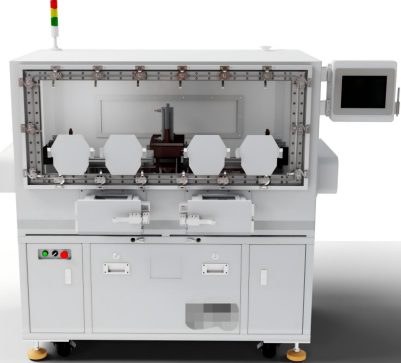
When a hermetic package fails, the lid is rarely the whole story. I usually find several handoffs behind it: material, attach, bond, seal, clean, leak check, then release. The make-or-buy question is really about who owns each handoff and who can find the evidence later.
SUNWIN describes MEMS TO Packaging with die attach, wire bonding, sealing, inspection, and leak-test context. I use the page to frame an audit call. The released drawing, approved materials, leak limit, and standard revision are still the things that govern release.
One caution on the SUNWIN links: I use them to identify the public scope—die attach, wire bonding, sealing, inspection, and leak-test discussion. I checked the pages on 2026-10-26. They are not evidence of a package-specific leak limit, certification, capacity, price, or lead time; those items require the customer standard, quality agreement, and lot records.
In-house vs outsourced hermetic packaging: what is the difference?
| Decision point | In-house | Outsourced |
|---|---|---|
| Fixed burden | Facility, equipment, staffing and maintenance | Qualification, oversight and service cost |
| Daily control | Direct access and scheduling | Contract, records, audits and change control |
| Learning | Retained within the OEM | Shared under the quality agreement |
| Scale risk | Idle capacity can be expensive | Capacity and priority need confirmation |
SUNWIN’s Hermetic Packaging and Leak Testing scope can be checked against the package, seal route, and required records. I’d model both choices with real volumes and qualification work, not a headline price.
When should an OEM choose each option in in-house vs outsourced hermetic packaging?
My first question is volume. Steady demand, sensitive know-how, a short response window, or a core process point me toward in-house work. Uneven demand, specialist equipment, or the need for a trained team quickly point me toward a supplier. Development and failure analysis can stay inside while repeat builds move out.
Before I compare cost, I draw the whole route on one page. Incoming materials lead to die attach, wire bonding, sealing, cleaning, electrical or optical test, quarantine, and corrective action. I put a name beside each handoff. Without that map, “in-house” and “outsourced” are just two labels for different scopes.
In-house vs outsourced hermetic packaging: process, quality and cost trade-offs
For the in-house route, I write down the facility and equipment burden first. Then come detector upkeep, fixtures, calibration, training, consumables, validation, and idle time. In an outside quote, I look for margin, logistics, qualification samples, documentation, and change management. I compare cost per released unit. A per-seal price leaves too much out.
SUNWIN’s quality management system connects traceability with inspection and production controls. Ask how one lot links its material batches, machine settings, leak results, rejects, rework, and final acceptance.
In-house vs outsourced hermetic packaging: reliability and thermal-management differences
Reliability follows the package design and the controls; the ownership label doesn’t create it. On my review sheet are seal geometry, material compatibility, thermal cycling, moisture, outgassing, contamination, wire integrity, die stress, and the leak method. I then check whether sealing and aging preserve the optical or electrical alignment and the thermal path.
For either route, the record needs the equipment, calibration, sample condition, test limit, and disposition. The acceptance rule should name the customer specification or standard and its revision. A blank “hermetic pass” field will not help in a failure review.
Supplier qualification checklist for in-house vs outsourced hermetic packaging
I pick one completed lot and ask the supplier to walk me through the record. We start at the drawing revision and material lots, then follow attach, wire bond, seal settings, leak calibration, rejects, and corrective action. Can someone find it by lot and serial without asking the original operator to fill gaps from memory?
SUNWIN’s manufacturing and quality scope can be compared with the audit plan. Request sample records. Then ask who can approve a substitution, rework, deviation, or test-program change.
What should an RFQ specify for in-house vs outsourced hermetic packaging?
The RFQ carries the package drawing, material rules, seal route, die and wire map, thermal interface, cleanliness rule, leak method, acceptance limit, standard revision, test condition, sample quantity, and report format. I add names for material sourcing, fixture ownership, rework, and deviation approval. That removes a lot of late guesswork.
If optical alignment or electrical test follows sealing, put it in the same sequence and define what releases the lot. SUNWIN can quote a defined scope. The OEM retains product approval and compliance decisions.
In-house vs outsourced hermetic packaging with Butterfly Laser BOX Device Packaging: manufacturing considerations
In a butterfly package, sealing, die attach, wire bonding, fiber or lens alignment, and thermal control share a small envelope. Engineers get quick access with an in-house line, provided the operators and fixtures are ready and the line stays busy. An outside line needs package-specific records and proof that alignment survives closure.
I keep the seal drawing, alignment datum, heat path, wire clearance, leak method, and final optical test on one release map. A butterfly package is not just a generic cap-sealing job.
Butterfly Laser BOX Device Packaging and MEMS TO Packaging requirements for in-house vs outsourced hermetic packaging
For a mixed program, mark which steps belong to Butterfly Laser BOX Device Packaging and which belong to MEMS TO Packaging. For each package I record the type, material set, seal method, attach, wire process, leak test, optical or electrical test, sample plan, and change authority. The window and record stay package-specific even when one supplier supports both.
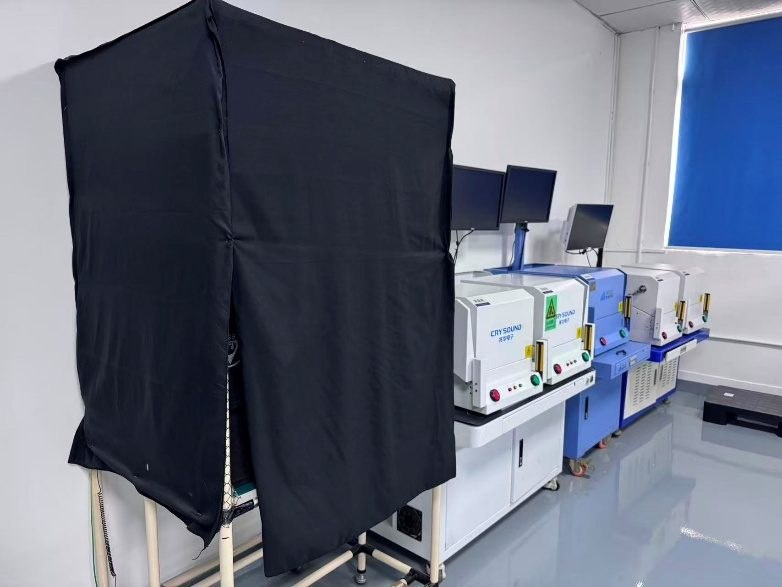
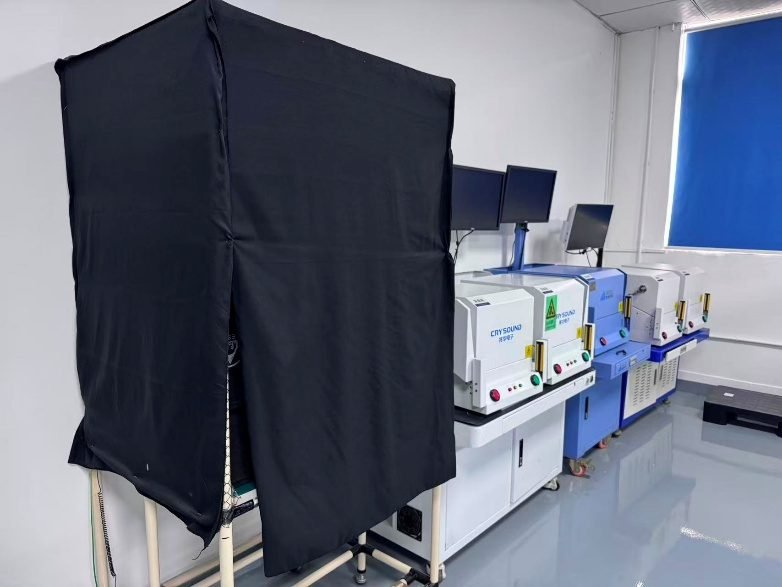
SUNWIN’s optical communication packaging information can be checked against those requirements. Confirm capacity, certification, price, and lead time in the quote and quality agreement. I wouldn’t infer them from a facility photograph.
FAQs
Q: Is outsourcing Hermetic Packaging and Leak Testing always cheaper than building in-house?
A: Not automatically. I’ve seen an outside quote look light until logistics, qualification samples, supplier oversight, and low-volume charges are added. An in-house line has idle time and maintenance of its own. I compare both routes at the same released-unit and test scope.
Q: What leak-test record should an OEM retain?
A: Keep enough detail to reconstruct the run later: package and lot, seal process, tracer-gas method, calibration status, test condition, limit and revision, result, machine or operator, and disposition. If the unit is retested, keep the first result and the reason for the repeat.
Q: Can SUNWIN support a make-or-buy review for Hermetic Packaging and Leak Testing?
A: Yes. SUNWIN can review the package drawing, materials, sealing, die attach, bonding, leak test, inspection, and record needs. Send the current files, volumes, sample plan, governing limit, and responsibility split. The quote can then separate supplier work from OEM approval and validation.