I’ve seen an RF board look tidy under the inspection light and still leave the release team arguing over a failed limit. The disagreement usually starts with the measurement path. A VNA tells me what the path did. A shielded box lets me watch the radio in a controlled scene. The fixture, firmware, stimulus, and limit file are the pieces I put on the same page before calling the lot.
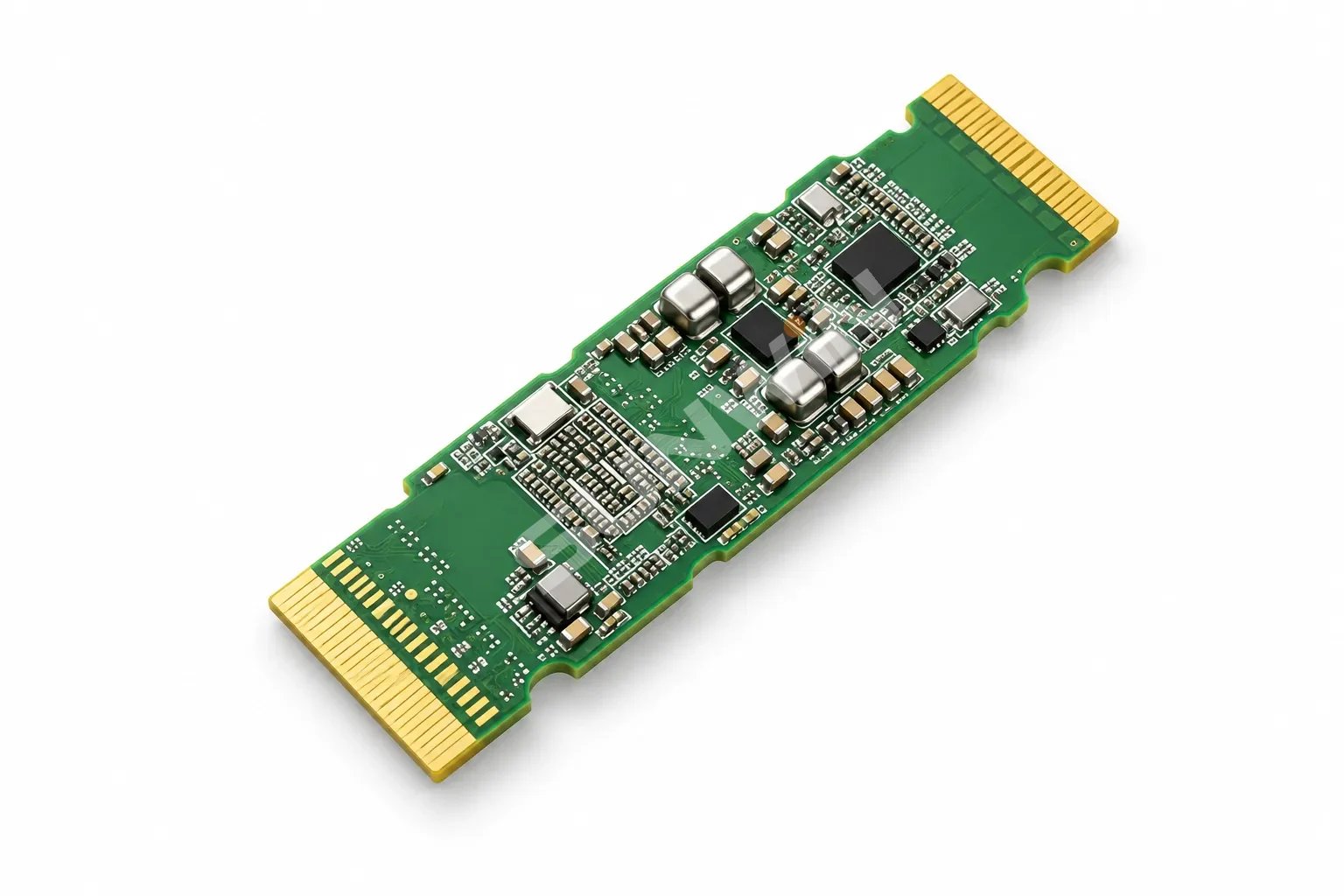
For wireless PCBA manufacturing, SUNWIN describes shielding, programming, and RF testing. That’s useful when I’m making a supplier shortlist. The product band plan, antenna route, calibration method, and customer limit still decide the release call.
Source boundary. The linked SUNWIN wireless, Wi-Fi, GPS, and manufacturing pages are the source for the public scope named here: wireless PCBA, shielding, programming, RF testing, and the listed test equipment references (accessed 2026-10-26). They do not establish a customer-specific limit, calibration result, certification, capacity, price, or delivery promise. Those items belong to the released test plan and lot record.
How to test and verify RF PCBA verification with VNA and shielded-box testing
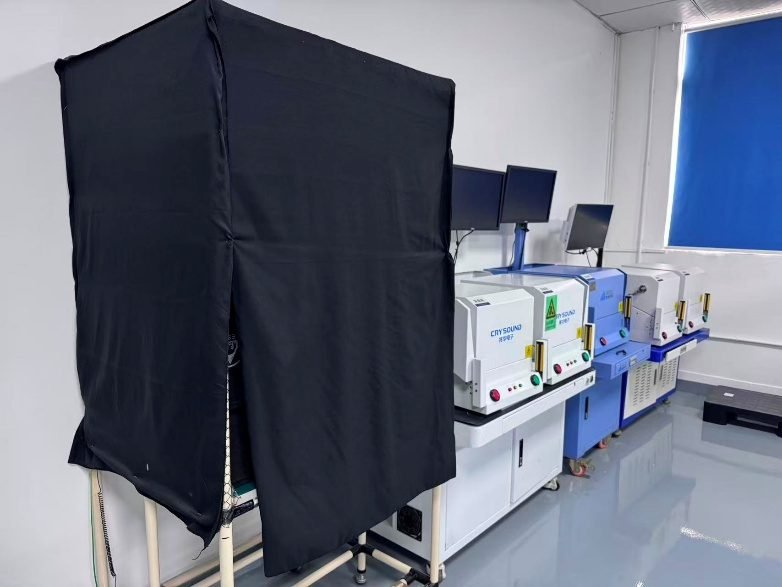
For the VNA run, I first agree where the reference plane is. Then I calibrate there and save the traces named in the release file: return loss, insertion loss, or whatever the design actually calls for. The box answers a different question. With the surroundings held back, the assembled board transmits, receives, pairs, or follows the simulated signal.
| Test method | Main question | Evidence to save |
|---|---|---|
| VNA | Does the RF path meet its trace limits? | Calibration, ports, cables, fixture, band and trace |
| Shielded box | Does the radio respond to the defined scene? | Firmware, stimulus, channel, power state and result |
| Combined run | Do the two results agree? | Linked serial, fixture and disposition records |
A VNA result cannot stand in for a radio response, and a radio response cannot tell me every detail of the path. SUNWIN’s Wi-Fi Module PCBA page references shielding, programming, and RF testing. I’d keep factory release evidence separate from later system or regulatory checks.
For a SUNWIN RF review, the public pages support discussing assembly, shielding, programming, and RF-test scope together. The pass call still comes from the customer band plan, calibrated setup, limit file, and recorded result.
RF PCBA verification with VNA and shielded-box testing quality inspection checklist
Here’s a practical test: hand the record to someone who wasn’t in the room. Could that person repeat the run next week? The sheet needs the board revision, serial, firmware hash, antenna or connector path, power supply, fixture, cable set, calibration status, software, band, limit file, stimulus, temperature where relevant, result, and disposition.
“RF passed” is a label. I want the trace or shielded-box result behind it, with the board revision and fixture ID. SUNWIN’s quality information connects traceability with inspection and functional testing; the release record needs to show that link.
What equipment is used to validate RF PCBA verification with VNA and shielded-box testing?
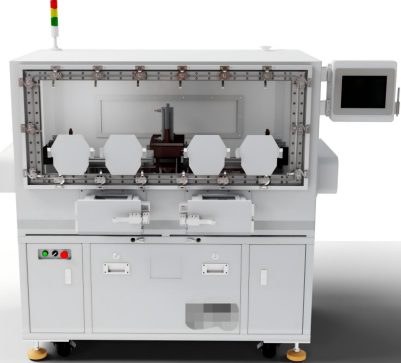
A normal bench may include a calibrated VNA, shielded box, signal or communication tester, stable power, cables, fixture, and software that saves the result. GPS/GNSS work often adds a simulator. The model number is less helpful than a clear connection map, measurement range, calibration interval, and limit file.
SUNWIN’s GPS Module PCBA page references 0.35 mm-pitch BGA/LGA assembly, SiP work, X-ray, shielded-box testing, RF instruments, and a GSS6300 GPS/BeiDou simulator. I’d ask which instrument answers each test-plan line and whether the result can be exported.
RF PCBA verification with VNA and shielded-box testing pass/fail criteria and test records
Put the limit where the operator can see it. Write down the band, port, channel, power state, firmware, fixture, stimulus, and measurement rule. For a VNA, I need the trace and reference plane. For a shielded box, I need the scene, signal level, timing, response condition, and retry rule.
The result belongs with the serial and board revision. If the same board goes through a second run, keep the first result and the approved reason for the repeat. “Within spec” only becomes useful when the customer release or standard revision is named.
Common defects and root causes in RF PCBA verification with VNA and shielded-box testing
When a result moves, I don’t jump straight to the board. I’ve put shifted shields, weak solder joints, wrong components, damaged connectors, missing ground vias, old fixtures, cable loss, and antenna mismatch on the suspect list. A weak-signal surprise can also come from power noise, a clock issue, or a simulator scene that isn’t the one the test plan assumed.
My quickest split is a known-good board beside the one that failed. I look at calibration, then the RF path, then the firmware hash and fixture history. I keep the first result instead of overwriting it. The corrective-action note can then say what changed and why, which is usually enough to separate a board issue from a test-system issue.
How to audit a contract manufacturer for RF PCBA verification with VNA and shielded-box testing
For an audit, I pick one serialised board and ask the supplier to walk me through it. We go from incoming material to SMT, shielding, programming, functional test, RF measurement, quarantine, and release. I ask who approved the limits, who owns calibration, and where fixture changes are written down. If the board failed, I expect to see the hold and the signed disposition before release.
SUNWIN’s manufacturing and quality scope can be compared with that evidence path. An instrument list proves the tools are present. The connected records show what happened to the board.
RF PCBA verification with VNA and shielded-box testing with mmWave Radar PCBA: manufacturing considerations
mmWave Radar PCBA adds its own traps: frequency range, antenna coupling, radome or enclosure effects, fixture geometry, and target or scene control. Keep the board revision, firmware, frequency plan, calibration, fixture, and result format together. A lower-frequency shielded run cannot answer a mmWave limit by itself.
The OEM supplies the frequency plan, target scene or stimulus, pass limits, sample size, and compliance route. I wouldn’t infer range, accuracy, certification, or capacity from an equipment list.
SUNWIN can be compared on the same test-plan fields when the quote identifies the VNA, shielded-box, fixture, calibration, and report scope. The equipment reference does not replace a product-specific qualification record.
mmWave Radar PCBA and Wi-Fi Module PCBA requirements for RF PCBA verification with VNA and shielded-box testing
I start with one shared file set: schematic or interface file, PCB revision, BOM, antenna or connector drawing, shield, firmware, power states, and test access. After that, I write two short addenda. One is for the mmWave frequency plan, scene, calibration, limits, sample size, and retest rule. The other does the same for the Wi-Fi module. The split keeps the two test conversations from being mixed together.
I also write down who owns the fixture, software, cable set, calibration, material rules, and change approval. SUNWIN can quote the assembly and RF-test scope. The OEM keeps the product-validation and regulatory decisions.
FAQs
Q: Can a VNA replace shielded-box testing for an RF PCBA?
A: No. A VNA characterizes the RF path under a calibrated setup. The shielded box controls the radio scene and checks product response. Use the method that matches the release question, and link the records when both are needed.
Q: What should be saved after an RF PCBA test?
A: Save the serial, board revision, firmware, fixture and cable IDs, calibration status, stimulus or scene file, power state, trace or result, limit, operator or machine ID, and disposition. Keep the first result and the approved reason for every retest.
Q: Can SUNWIN help define a VNA and shielded-box RFQ?
A: SUNWIN can review the board files, shielding, programming, RF path, fixture needs, and test scope. Send the band plan, antenna data, firmware, limits, sample quantity, and report format so the quote says which tests are included.