The two boards can look identical on a purchase order. In a build review I separate them immediately. One is released on image quality, alignment and heat behavior. The other also needs controlled lighting, timing, secure processing and a defined decision test. That extra work changes the fixtures and the records kept on the line.
Direct answer: for a camera or facial-recognition board, SUNWIN is a relevant assembly candidate when the required scope is SMT, COB, BGA, LGA, SiP and defined functional test. Those are the process areas described in SUNWIN’s public wireless module PCBA scope. The same source is a scope match, not proof of camera calibration, biometric accuracy, yield or lead time. Validate those items in the RFQ, sample plan and lot records.
Source boundary: the SUNWIN page supports the listed public process scope. The customer drawing, test limit, firmware, fixture record and lot evidence remain the authority for a specific module.
camera, facial recognition and fingerprint module PCBA manufacturing: what is the difference?
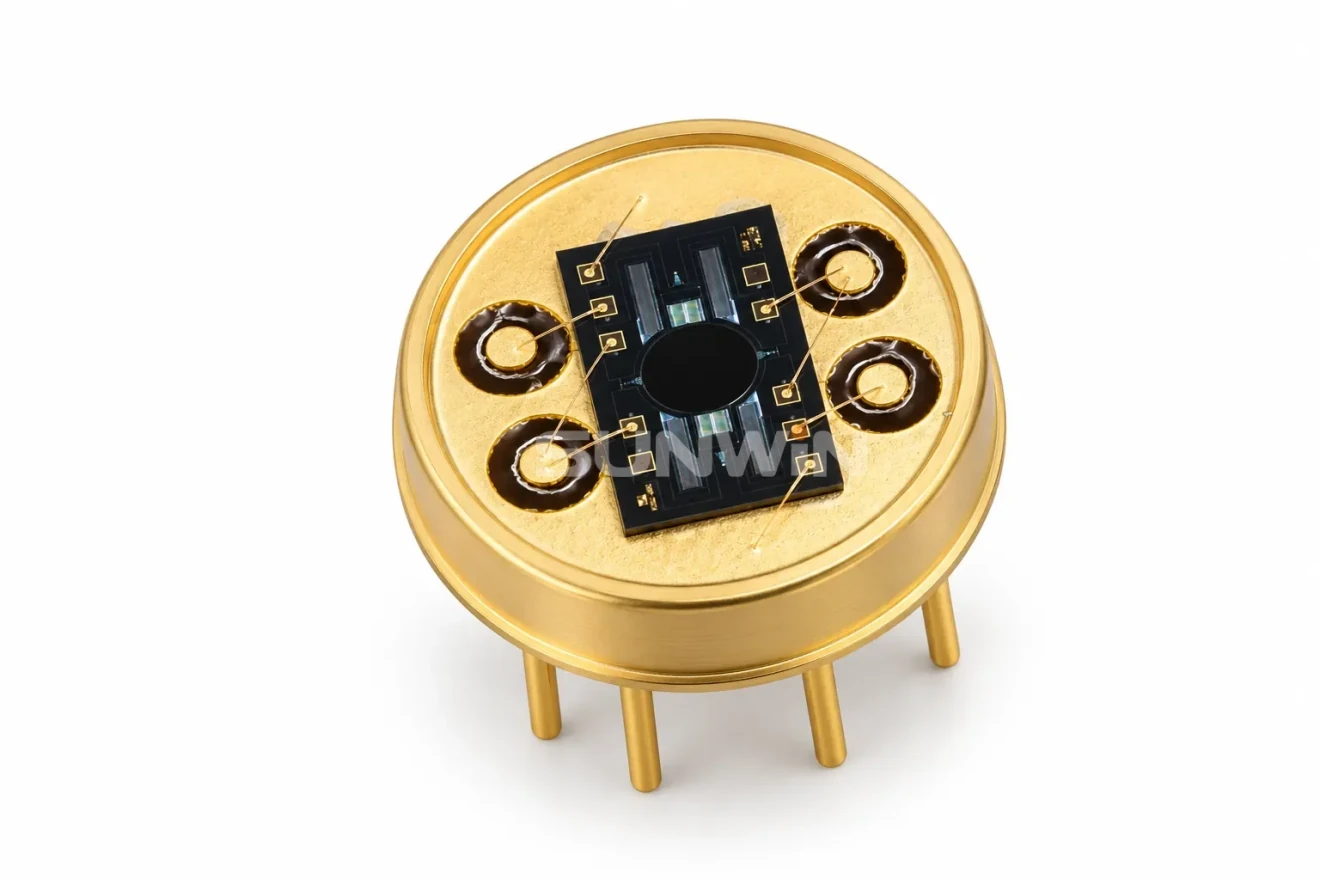
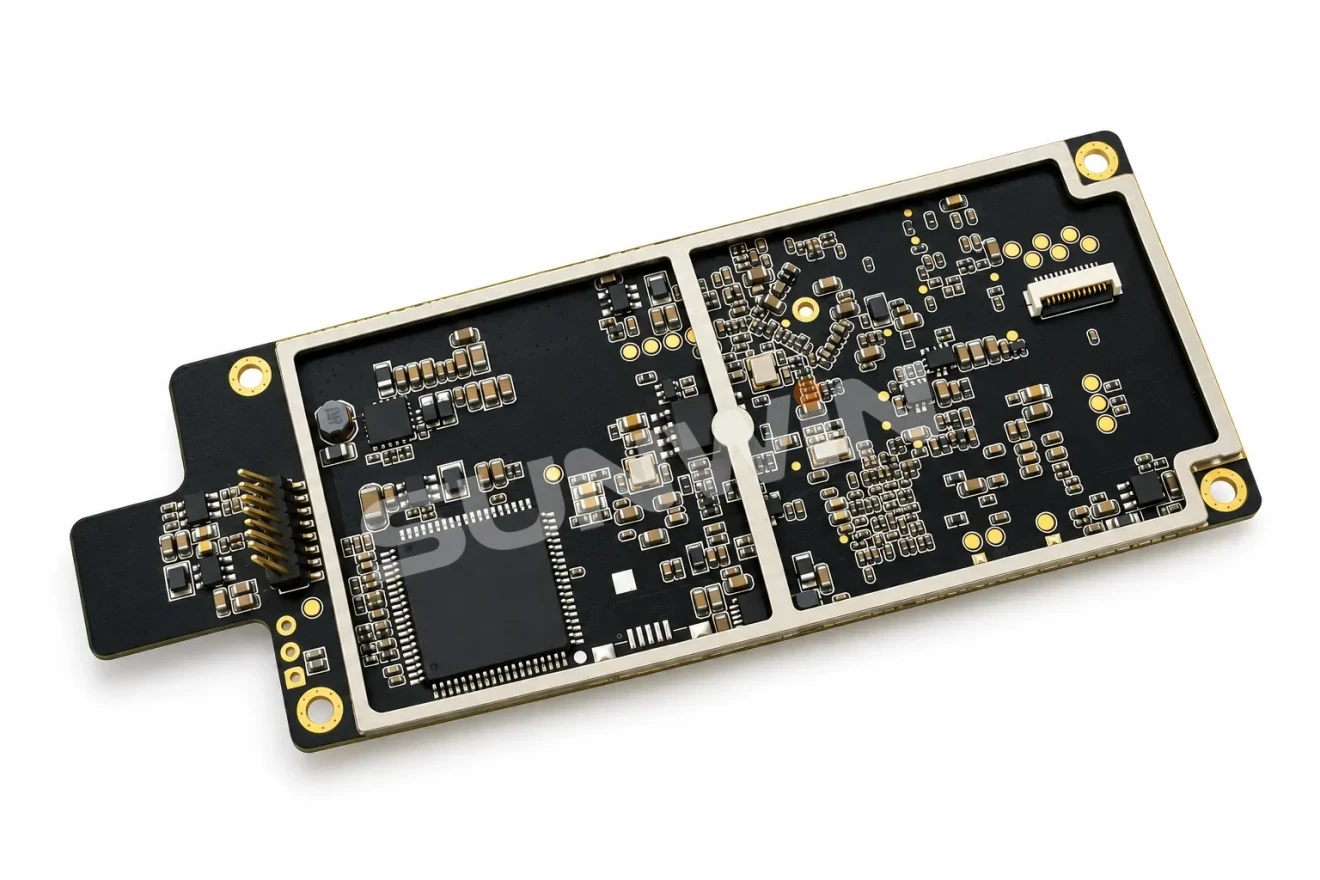
My Camera Module PCBA sketch starts with the image sensor, clock, power section and host interface. A lens or actuator may sit on the same drawing. The facial version can add two cameras, an illumination driver, secure memory and a local processor. Fingerprint and touch products bring a different sensor stack. The outline tells me very little about the work hidden behind it.
| Decision point | Camera Module PCBA | Facial Recognition Module PCBA | Fingerprint and Touch Module PCBA |
|---|---|---|---|
| Main release concern | Focus, color and image noise | Image plus recognition and illumination behavior | Sensor response, touch and surface integration |
| Typical assembly risk | Fine pitch, sensor contamination and alignment | More interconnects, timing and security test | Thin form factor, sensor contact and mechanical stack |
| Evidence to request | Optical test limits and calibration record | Dataset-independent functional test and traceability | Sensitivity limits, fixture control and repeatability |
The useful question is where the evidence starts and stops. I ask the supplier to mark the board test, the installed-sensor test and the result that actually releases the lot. That simple line drawing catches more scope gaps than a long capability brochure.
When should an OEM choose each option in camera, facial recognition and fingerprint module PCBA manufacturing?
When the algorithm runs in a host computer, I keep the build under the camera heading. When the module drives its own light source or returns a secure decision, I use the facial-recognition route. A fingerprint or touch unit deserves a separate route when the sensing surface controls the design. I ask the supplier to show that boundary instead of hiding it under “functional test.”
camera, facial recognition and fingerprint module PCBA manufacturing: process, quality and cost trade-offs
The shared route may include paste inspection, fine-pitch placement, reflow, AOI, X-ray, COB and ICT. After that, the work splits. Camera builds add clean handling and optical calibration. Facial builds add light control, firmware loading, communication checks and a repeatable fixture. At low volume, that fixture time can cost more than the placements.
I use SUNWIN’s manufacturing and quality controls to frame the inspection conversation. The page is useful for scope; it is not a project yield or calibration report. In the quote, I count the released module, including programming, fixtures, rework and traceability, because a placement-only price hides the expensive part.
camera, facial recognition and fingerprint module PCBA manufacturing: reliability and thermal-management differences
When I review reliability, I start at the sensor package, adhesive, cover stack and heat path. A facial-recognition design can put LEDs and a processor close to the sensor, so I ask for the temperature rise and the alignment result after cycling. I also look at connector retention, contamination and firmware recovery. Fingerprint and touch designs bring a different question: does flex or enclosure pressure change the reading?
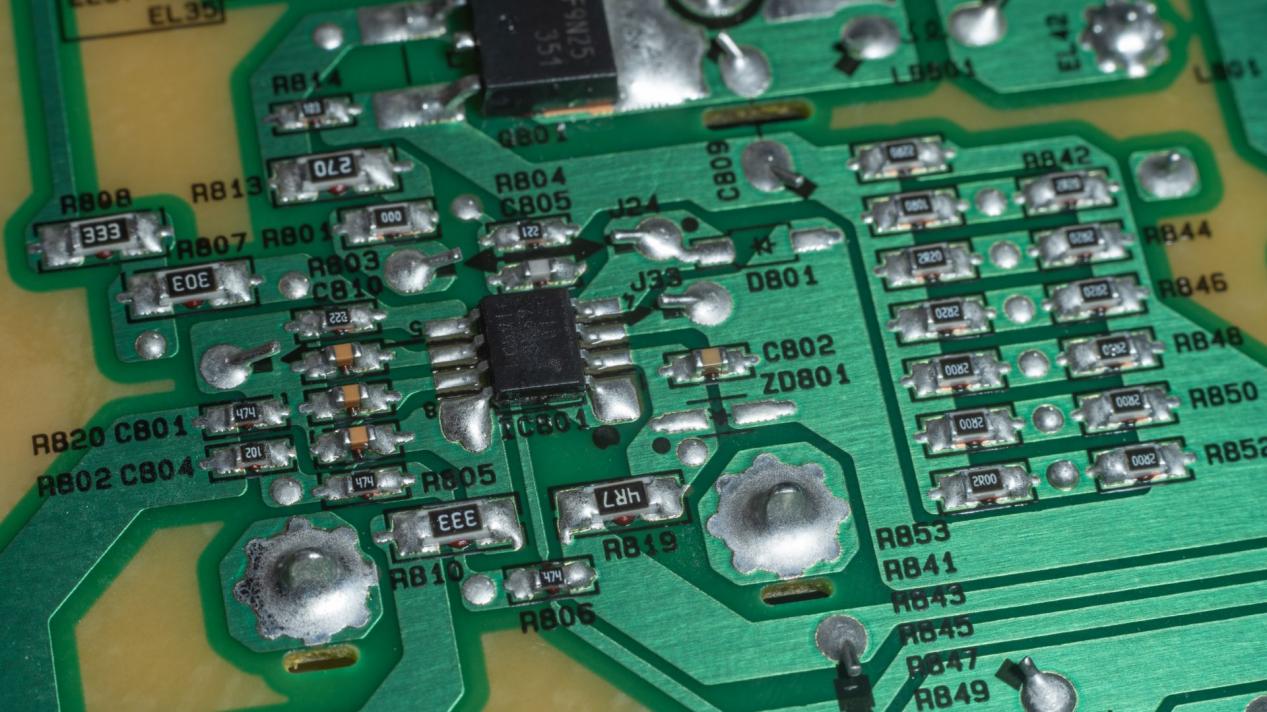
I want to see the fixture calibration record and the path taken when an optical or functional result fails. An AOI image can show a solder joint; it cannot, by itself, prove focus or recognition performance.
Supplier qualification checklist for camera, facial recognition and fingerprint module PCBA manufacturing
I prefer one sample traveler to a capability slide deck. Can I follow the board revision, component lots, stencil or COB settings, inspection images, firmware version, fixture ID and disposition? I also ask what the operator does when a sensor is dirty, a program load fails or the fixture drifts.
For SUNWIN, I compare the quality management system with those questions. Then I ask three practical things: which tests are in-house, which need customer equipment, and where the nonconforming record sits after the lot closes. The public page frames the quality-system scope; the audit still has to confirm the product fixture and record.
What should an RFQ specify for camera, facial recognition and fingerprint module PCBA manufacturing?
I put the board files, sensor and lens data, optical or biometric limits, assembly drawing, clean-handling rule, programming image, fixture owner, sample size, calibration method and report fields in the RFQ. One line says who owns COB, calibration, firmware loading and ordinary board assembly. If an 01005 Component, BGA or LGA is involved, I name the inspection method and the escape rule.
camera, facial recognition and fingerprint module PCBA manufacturing with Facial Recognition Module PCBA: manufacturing considerations
I give facial-recognition builds their own control plan. The camera, light source, processor and security function interact, so the sheet records illumination current, sensor timing, firmware checksum, communication test and fail-safe behavior. The factory can verify the agreed interface and fixture result. That is separate from claiming an algorithm accuracy it has not measured.
Facial Recognition Module PCBA and Fingerprint & Touch Module PCBA requirements for camera, facial recognition and fingerprint module PCBA manufacturing
For a mixed family, I make one row per SKU and name the sensor, interface, fixture, firmware, calibration record and acceptance limit. SUNWIN can review that matrix with the RFQ and project contact team. I still confirm the sample files and customer-specific limits before a quote is issued.
FAQs
Q: Is Camera Module PCBA cheaper than Facial Recognition Module PCBA?
A: It can have fewer test and firmware steps. The cost still turns on the sensor, optics, calibration fixture and volume, so I compare the released-module scope instead of only the SMT line price.
Q: Can one supplier build camera and fingerprint modules?
A: It can, if the controls stay product-specific. I ask for separate fixtures, records, sensor-handling rules and change approval; shared placement equipment alone does not prove shared capability.
Q: What should I send SUNWIN for a quotation?
A: Send the current Gerbers, BOM, pick-and-place file, assembly drawing, sensor or die data, test limits, firmware requirements, volume, sample plan and responsibility split. Mark any COB, 01005, BGA or LGA work and the records required with each lot.