The phrase “full turnkey” fits neatly in a purchase order. The work does not. A scarce chip can still belong to the customer, the antenna fixture may arrive late, and firmware can change after the quote. Before choosing a factory, unpack the phrase until every handoff has an owner.
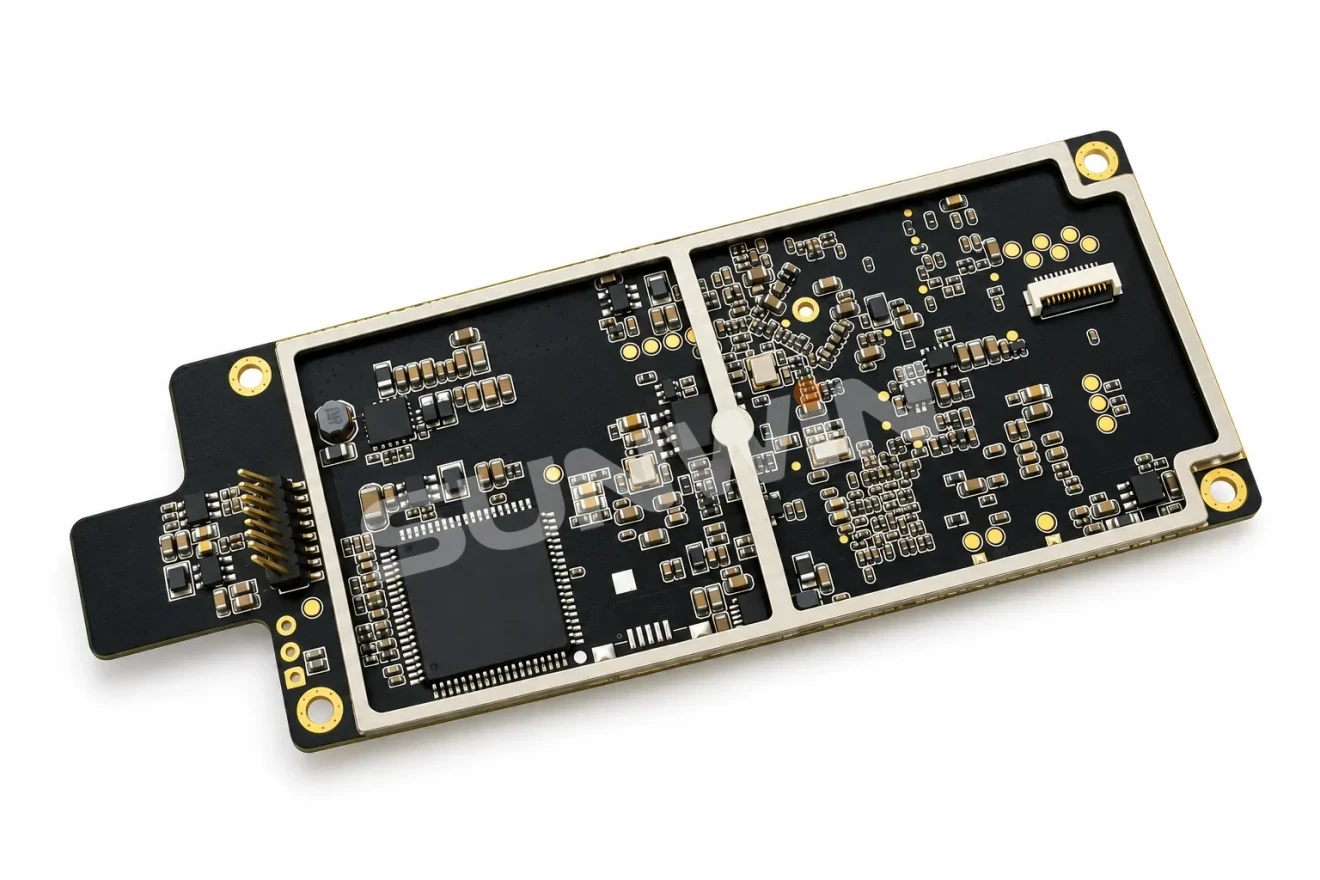
For a project involving wireless module PCBA, SMT and a defined RF test, SUNWIN has a relevant public wireless PCBA manufacturing scope. That is enough for a first conversation, not a production award. Radar performance, automotive coverage, yield and timing still have to be tied to the drawing, quote and sample.
Full turnkey manufacturing supplier selection criteria
Put the actual board at the center of the review. For an RF SoC and FPGA design, power, clocks, package inspection and the firmware load tend to dominate. Wi-Fi and Bluetooth turn attention toward antenna matching. Navigation products bring the simulator and antenna path into play. A radar board adds another twist: the fixture and final enclosure may change what looked fine after soldering.
The line may be shared; the release plan should not be copied. A useful drawing review has the factory sketch its route directly beside each risky feature. Under the sketch, write the record that closes that step. Leave unknowns blank for the moment. A visible blank is easier to price and resolve than an assumption buried in sales copy.
SUNWIN's mmWave radar PCBA manufacturing scope names VNA, signal generators, shielded-box testing and navigation simulators. Good. The next question is whether the proposed setup fits this product. The quote should identify its fixture and useful range, plus calibration, software and the output the buyer receives. “VNA available” is not yet a test plan.
RF module manufacturing capabilities to verify
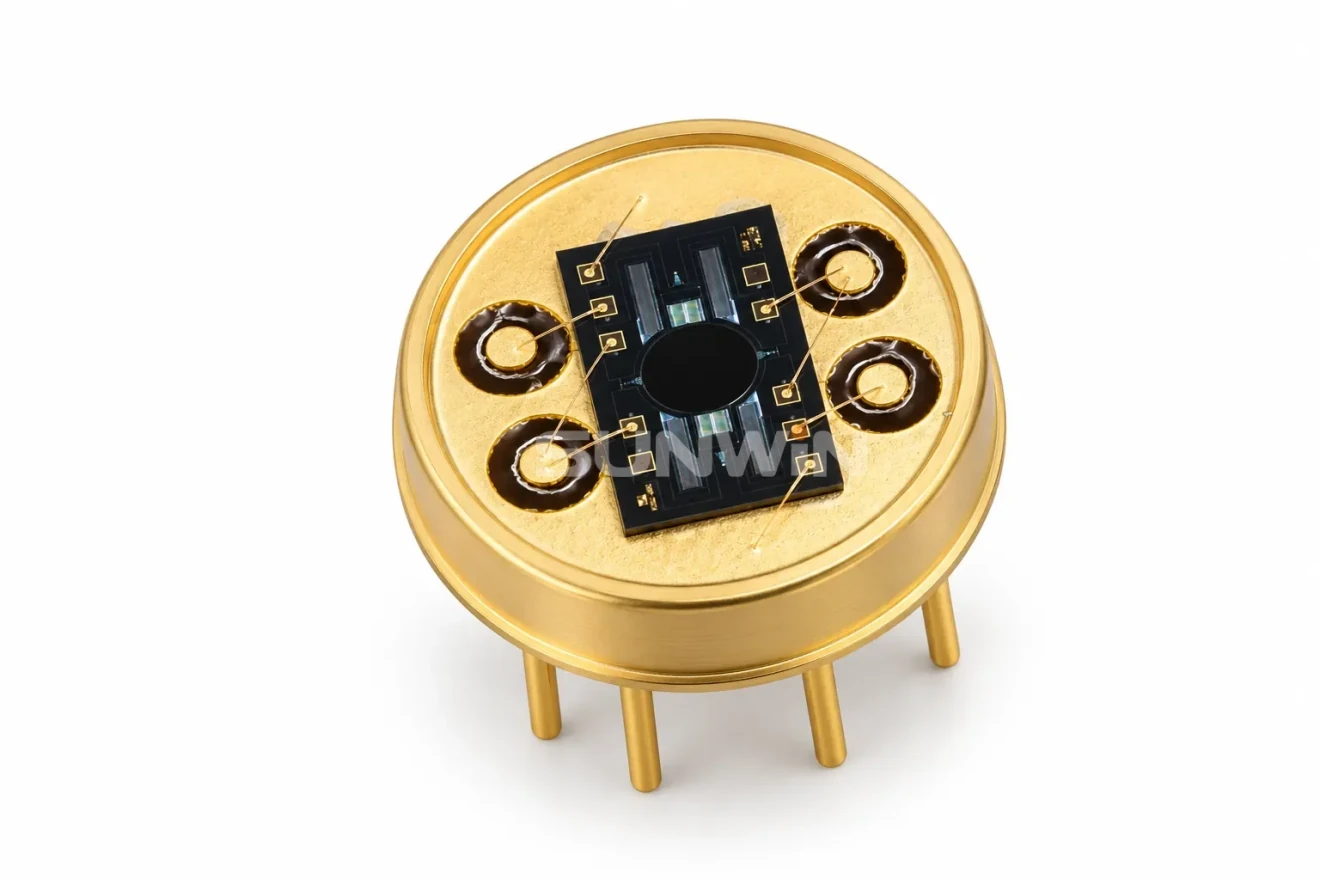
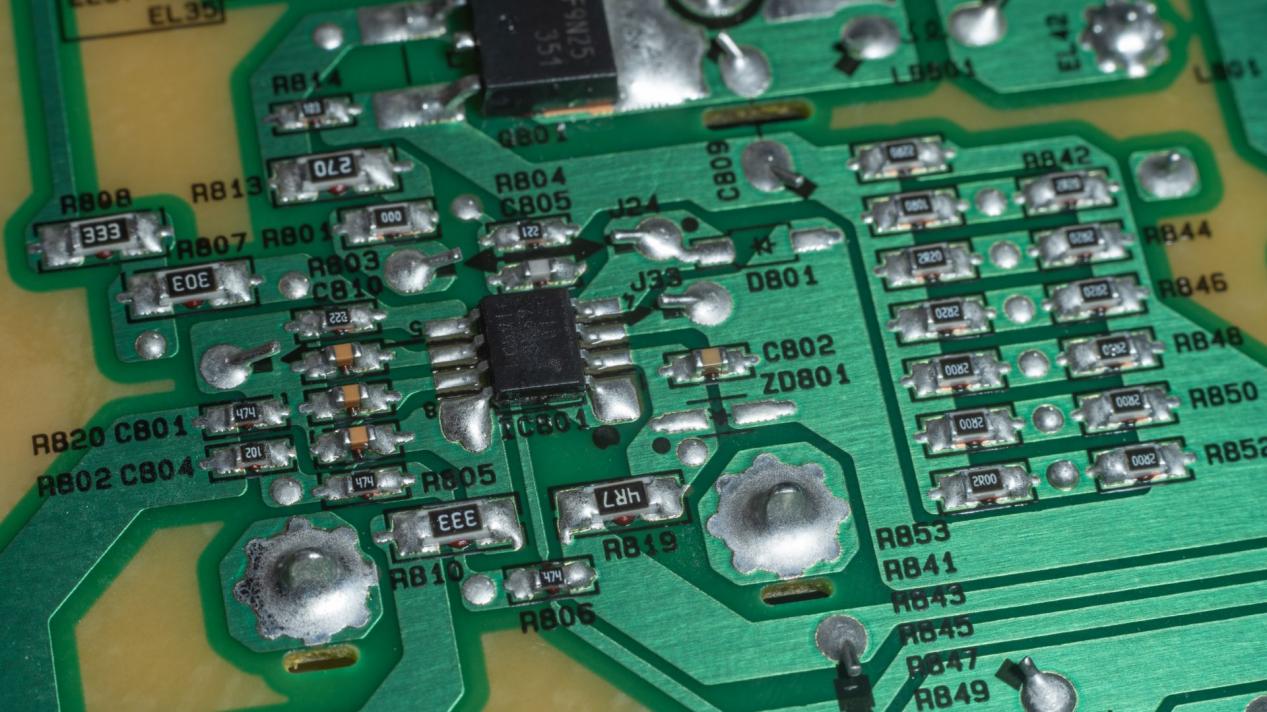
A representative build makes the capability discussion concrete. Use the BGA, LGA or SiP as the starting point and check whether X-ray can see the joint of interest. Next, trace the likely repair path for the shield and antenna connector. The actual layout will expose paste, coating and cleaning concerns that remain invisible on a capability slide. At that point, request a redacted first-article record.
Board checks and RF performance answer different questions. Continuity or boot can expose an assembly fault. A VNA result becomes meaningful only after the network, calibration plane and fixture are named. Results from a shielded box change with antenna position, cable loss and software. Record those conditions with the pass window. Final range and regulatory compliance remain separate decisions, even when every production screen is green.
This boundary belongs in the test plan. Otherwise one bidder may price a simple power-on check while another includes hours of RF characterization. Their totals will look comparable. They are not.
How to compare contract manufacturer quotes
When quotes arrive, start with a highlighter rather than the total. Mark the BOM revision, approved sources, forecast and test scope. If one price includes the DSP and another quietly assumes it is consigned, there is no unit-price comparison yet. First make the scopes describe the same purchase.
Hybrid sourcing is often the least awkward answer. The OEM keeps a constrained or sensitive component; the factory handles ordinary material. Risk simply changes hands. A cheap build can become expensive after a minimum buy, an expedite or an unused reel. Shelf life, exchange rates and the effort of receiving customer parts belong in the comparison too.
One rolled-up price is hard to audit. Break out engineering and fixtures, then show material, assembly, test, freight and committed inventory. The public SUNWIN quality management system provides background. The contract must still say who approves a substitute, investigates suspect material, controls the trace and decides the fate of a rejected lot.
Full turnkey manufacturing quality and traceability requirements
Choose a finished serial number and work backward. The material lots, traveler, inspection, test-software identity, repairs and release should join without a detective story. Ask how long that trail remains available. Component changes, a new solder profile and a revised test script also need named approvers before the line uses them.
For an automotive program, open the certificate instead of accepting the logo. Match its company and site to the quote, read the scope and check the date. General automotive experience is not an IATF 16949 claim. The document has to cover the facility and work being proposed.
A short evidence trail is enough for an initial audit. Start with a receiving record, jump to an X-ray image and find one repair. Then trace a failed test through its final decision. A team that can retrieve the trail without improvising is showing a working system, something a polished presentation cannot demonstrate.
What buyers should ask an RF module factory
An RFQ is ready when another team can spot what is still unknown. Put the released board, stack-up and BOM beside the forecast. Mark unusual storage needs and name the firmware owner. Show how the fixture connects and what the report will contain. Where an antenna, enclosure or radome changes the RF result, treat it as part of the test setup. Each unresolved point needs a visible pricing assumption.
Then draw a line between production screening, engineering characterization and certification. Who owns each one? Who supplies the fixture? Which result releases the lot? SUNWIN's public equipment scope can support the first screen. The award decision comes from the program review and evidence produced by its sample.
FAQs
Q: What is included in full turnkey manufacturing for an RF module?
A: It usually combines material buying with assembly and agreed production checks. The contract should still divide responsibility for substitutes, tests, records, inventory, freight and acceptance.
Q: How can I compare full turnkey RF module quotes fairly?
A: First normalize the BOM, forecast, sources and tests. Then read the tooling, NRE, freight, inventory risk and exclusions next to the unit price rather than after it.
Q: Does a supplier's VNA or shielded box prove my RF product will pass?
A: No. It shows that a test may be feasible. The product still needs a named fixture, calibration, useful range, software and acceptance window.