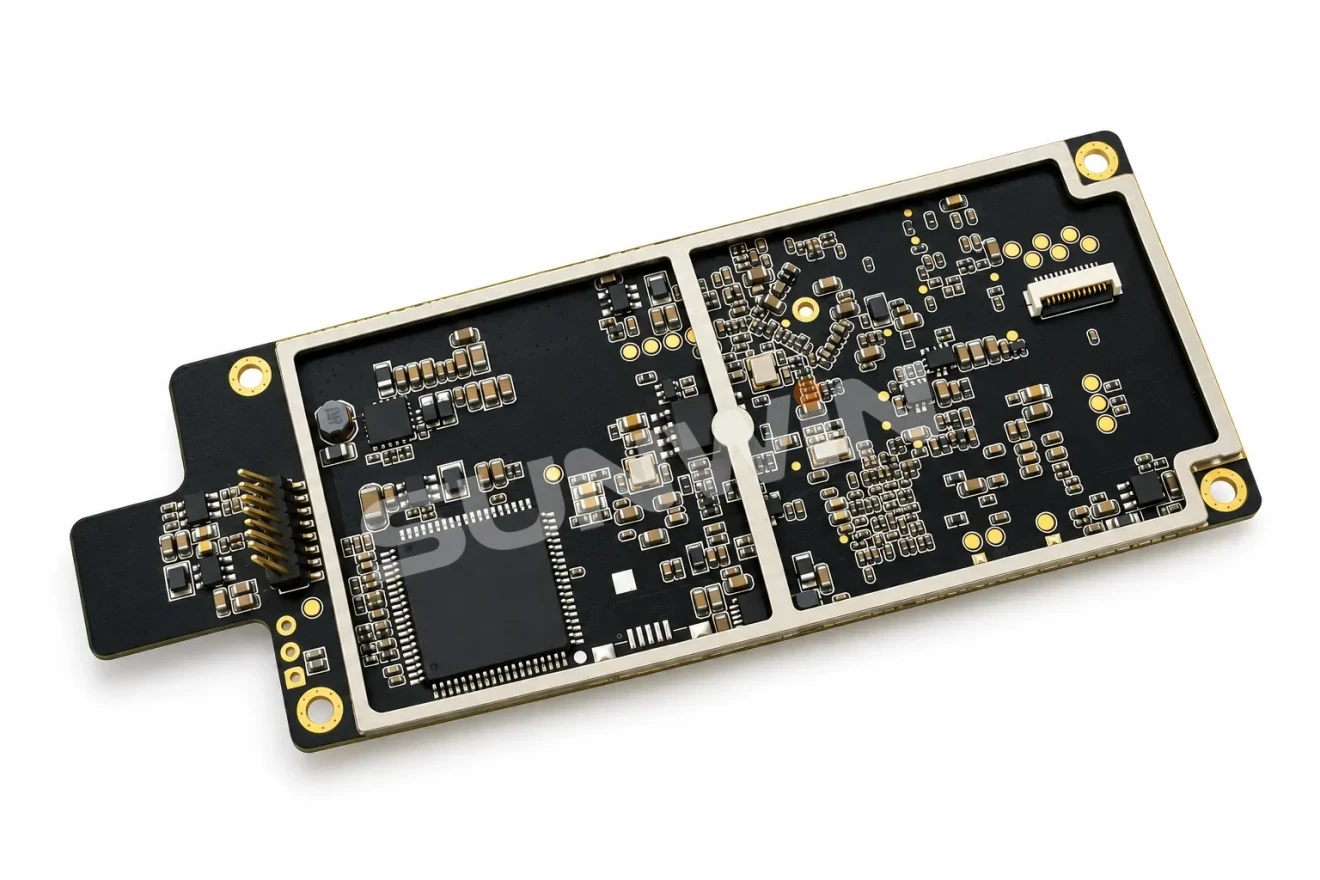
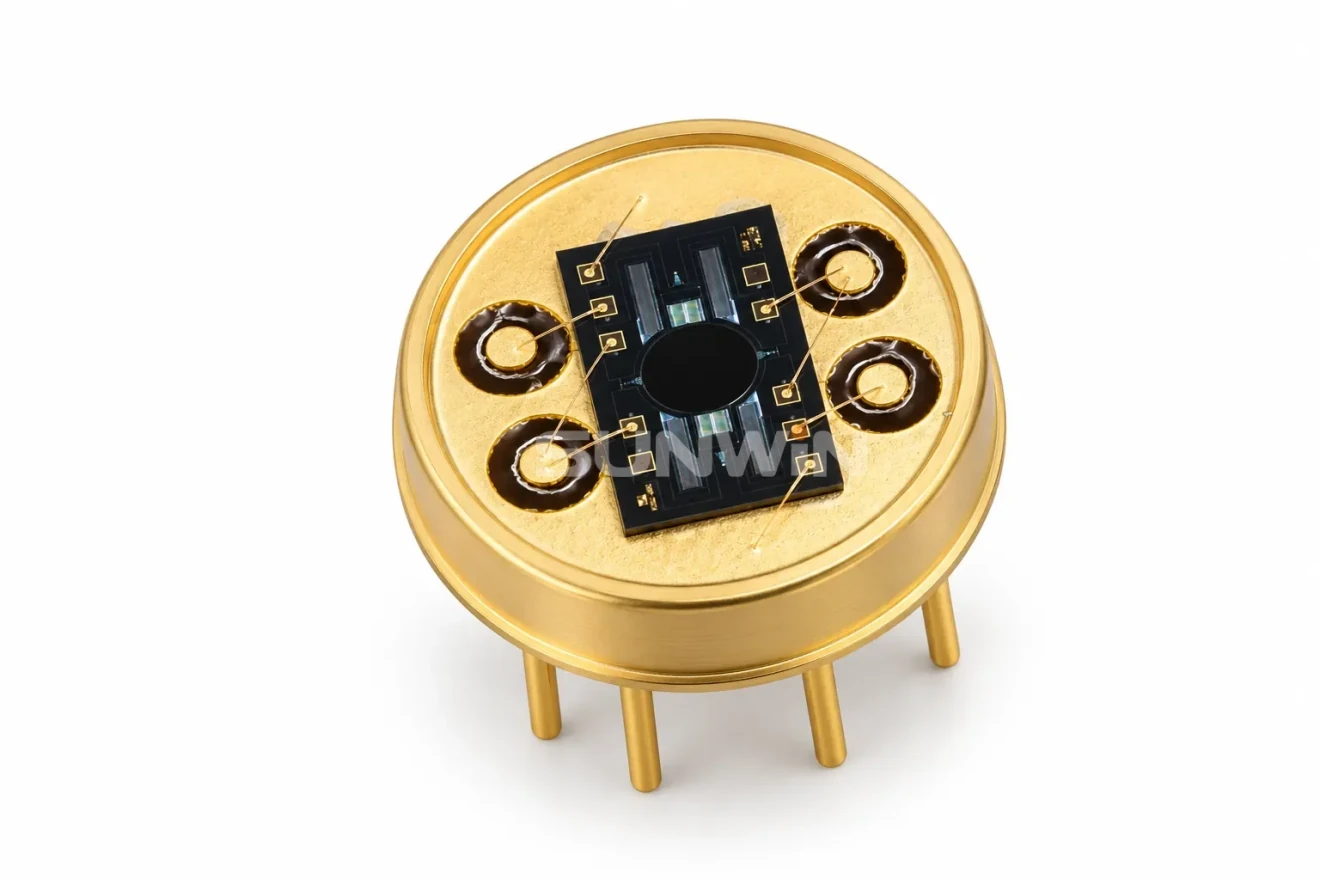
Two images often stand in for MEMS TO packaging: a closed cap and a leak-test screen. The trouble may have started before either image existed. Die stress, a low wire loop or residue near an active area can change the outcome. That is why the supplier review begins with the drawing and keeps one lot in view through final release.
SUNWIN is a relevant candidate when the work calls for TO package assembly, precision die attach, wire bonding, sealing and leak-test records. Its public MEMS TO packaging scope establishes that relationship. It does not set your leak limit, confirm a monthly output or promise a delivery date. The package drawing and an approved lot decide those points.
MEMS TO packaging OEM supplier selection
Bring the package cross-section to the first call. A name such as TO-46 fixes less than many quotations imply. Plating, feedthroughs, window, pin-out and the device itself remain open. Put a pressure sensor and optical detector in the same outline and their sensitivity to residue or stress can still differ. Use the drawing to choose the route.
Sketch the flow on one sheet, from the incoming header through attach, bonding, closure, leak test and final check. Under each stage, write the record that would be retrieved during a return investigation. Local names are fine; a broken identity chain is not. A header lot that enters under one code and leaves on an unrelated leak report will be difficult to reconstruct later.
The public SUNWIN quality system offers background on its controls. Your quality agreement still needs its own sampling, retention, deviation and acceptance rules.
China MEMS packaging supplier due diligence
For a China supplier file, compare the name on the contract with the factory address and certificate. A mismatch may have a simple explanation, but get that relationship in writing. Where certification affects the award, the current document should include the proposed site and relevant scope. A parent-company logo cannot fill that gap.
Sometimes the sample spends longer in customs than on the assembly line. Assign the export paperwork, freight, insurance and customs data before it moves. Do the same for the return of customer-owned die or fixtures. Drawings create a quieter delay: bilingual redlines help discussion, yet manufacturing must return to one controlled revision.
Reserve a short contract paragraph for sample logistics. State the packing and storage conditions, the response to delay or loss and the fate of destructively tested pieces. Limit access to drawings and raw results where needed. The factory can describe its usual process, while the buyer's advisers confirm the legal and trade duties for the shipment.
TO package leak testing and acceptance criteria
“Hermetic” cannot serve as the acceptance cell in a drawing. Replace it with the actual method and limit, then add the standard revision, conditioning and sample rule. For helium mass spectrometry, the team should agree whether gross-leak screening comes first and which calibration evidence travels with the result. Otherwise two laboratories may both report “pass” after running different sequences.
A useful sample report has a package or lot ID, equipment ID, calibration status, conditions, measured value, limit and release decision. Ask how the fixture is checked too. A tooling leak can send an investigation in the wrong direction. Equipment ownership alone does not show that the method reaches the requirement for your geometry.
Precision die attach and wire bonding for MEMS packages
No die-attach route is “best” outside a package context. The same material or heat cycle can affect a stress-sensitive MEMS die and a laser die differently. Substrate, heat path and later temperatures narrow the choice. A comparison between adhesive and eutectic attachment needs controlled samples. Record the datum and measurement method beside any placement-tolerance result.
Even a small package merits a separate bond review. Start with pad finish and wire, then check the loop against the cap and die edge. A pull value can be misleading when the test method and failure mode are absent. Acceptance should come from this product's specification or qualified plan, not a similar-looking package.
SUNWIN describes related work in its precision optoelectronic packaging scope. That is a useful scope check. It does not replace drawing-specific validation or evidence from the intended line.
MEMS packaging quality and traceability review
During the audit, follow a real or redacted lot from receiving to release. Partway through, request the drawing revision and one deviation. If the team can retrieve both without rebuilding the history, traceability is probably embedded in the system rather than held by one employee.
A capacity figure needs a package and operating pattern behind it. Find the real bottleneck after shifts and inspection are considered; a fast cap sealer is irrelevant when bonding or leak test governs output. Split timing into engineering, material, qualification, sample work and replenishment. The comparison now has a common basis.
MEMS TO packaging RFQ requirements
The RFQ should let another engineer reconstruct the package on paper. Provide the released drawing and BOM, die interface, wire map, lid, feedthroughs, volume and sample count. Add test limits and the handling information needed for cleanliness, packing and storage. Keep unresolved decisions visible and place the supplier's pricing assumption next to each one.
Close qualification with a written sample plan. It should connect first-article evidence and destructive checks to leak sampling and final release, with a path for failures. SUNWIN's public manufacturing and inspection controls can inform the review. Approval remains package-specific, and a result on one material set cannot clear a different one.
FAQs
Q: What should I verify before choosing a MEMS TO packaging OEM?
A: Start with the drawing, then connect attach, bonding, closure and leak test to traceable records. Check the limits, calibration and sample evidence for that exact package.
Q: Does a TO package type define the hermetic leak limit?
A: No. It identifies a package family, not a test threshold. Put the method, standard revision and customer acceptance value in the RFQ.
Q: Can I compare supplier capacity and lead-time claims directly?
A: Not until the package, operating pattern, bottleneck, inspection and material assumptions match. Also separate theoretical equipment rate from demonstrated output.